Accident Towing in Lewisville, TX
After a collision the car rarely rolls, the road needs clearing and you have a dozen decisions to make. This is the part we can take off you.
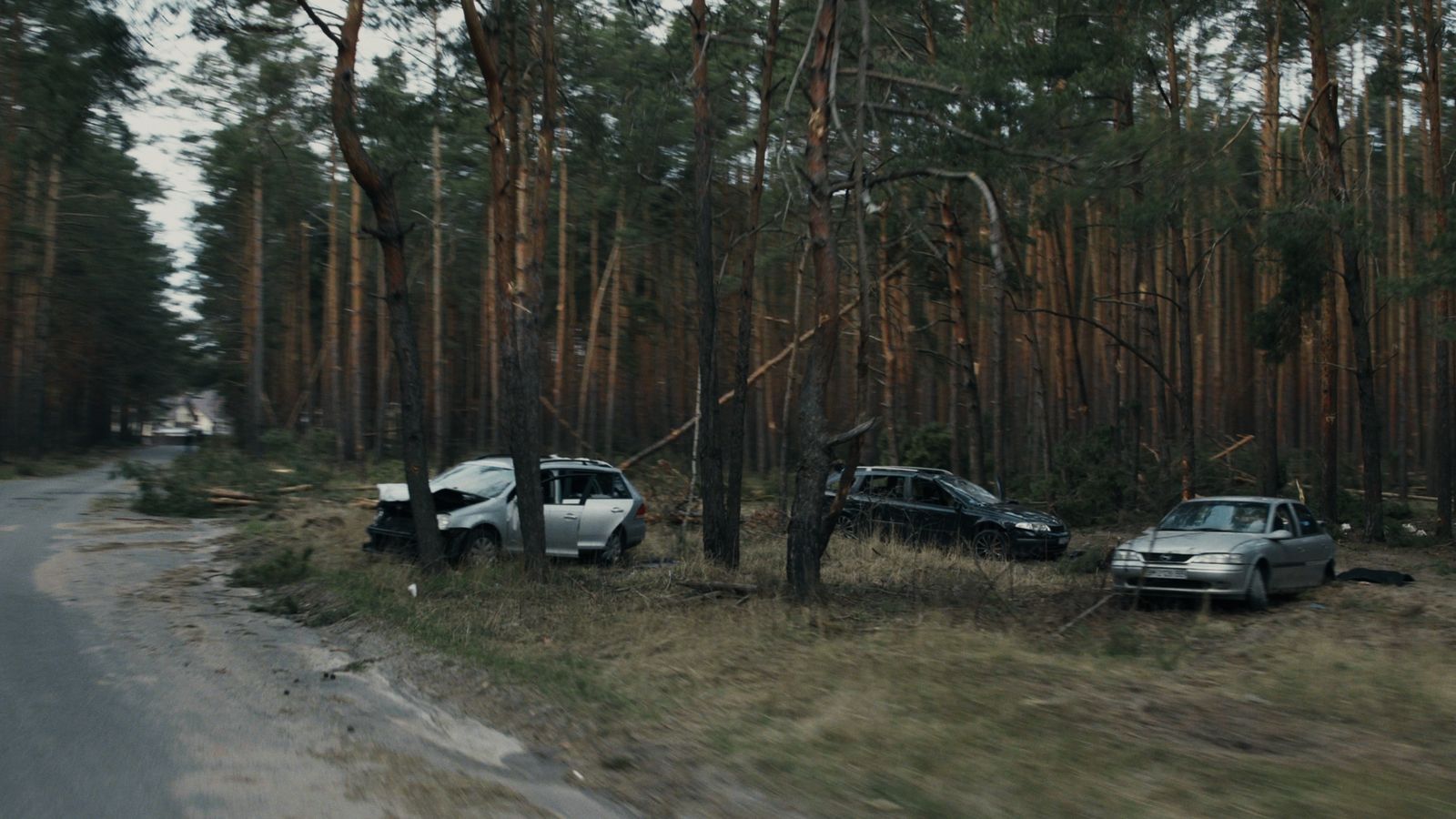
Clearing the scene properly
Accident towing in Lewisville, TX is a recovery job before it is a towing job. After a real impact the wheels are seized or gone, the steering is bent, the fluids are on the road and there is glass across two lanes. None of that gets solved by hooking up and driving away.
The vehicle comes onto a flatbed on a winch line, because nothing is rolling. The debris gets swept and contained so the lane is safe to reopen. Then the car goes where you say: your shop, the dealer, your driveway, or the facility your insurer named.
Do these four things first
Before you think about the tow at all. Written plainly, because nobody reads well straight after a crash.
- Check for injuries and call 911. Injury, blocked lanes or anything that looks serious means emergency services first, every time.
- Get out of the traffic. If the cars still move and nobody is hurt, Texas law lets you move them out of the travel lanes. On I-35E that matters enormously. A stopped car in a live lane behind construction barrier is where second collisions happen.
- Swap details and photograph everything. Names, insurers, policy numbers, plate numbers. Photos of both vehicles, the position on the road, the signals or signs, and the wider scene. Take more than feels necessary.
- Get the incident number. The officer will give you one. Your insurer will want it, and Texas requires a report where there is injury or apparent damage over 1,000 dollars.
Our fuller guide on what to do after a car accident in Lewisville covers the reporting and claims side, with links to the police and state resources.
Where the crashes happen here
The pattern in this city is not random. Interstate 35E carries the whole northern Metroplex, sits on the state list of most congested roadways, and is being rebuilt underneath the traffic. The 35Express work has narrowed lanes and taken shoulders out between Business 121 and FM 407. Congestion plus reduced escape room produces rear-end impacts, and they cluster where traffic stacks at the merges.
The Sam Rayburn Tollway through Vista Ridge produces fewer collisions but harder ones, because the speeds are higher. A tollway impact usually means a car that will not roll and often a second vehicle in the median.
Main Street and the Old Town grid generate the opposite: a steady run of low-speed knocks at signals and in the angled parking bays. Those cars often still drive, and the question becomes whether they should. Fluid on the ground, a tire rubbing bodywork or anything touching a wheel means it goes on a truck rather than driving home.
What happens when the truck arrives
- The scene gets read. Where the car sits, what is leaking, whether it is stable and what traffic is doing around it.
- It gets rigged. Winch line to a structural point, skates under seized wheels, and dragged onto the deck under control.
- Debris is cleared. Glass, plastic and fluids swept and contained before the lane goes back into use.
- Your belongings come out. Take everything you need before the car leaves. Getting back into a vehicle at a storage yard is slower and sometimes costs money.
- It goes where you chose. Confirm the destination and get the invoice with the destination written on it.
If a truck, bus or RV is involved, the work moves up a class to heavy duty recovery, with a wrecker or rotator instead of a deck. If a vehicle has left the pavement and gone into a ditch off FM-407 or down a lake embankment, it becomes a recovery before it can be loaded at all.
Decide the destination early
The single most useful thing you can do at the roadside is name where the car is going. Drivers are often still processing what happened and say they will work it out later. That is how a car ends up in a storage lot accruing daily fees while a claim is opened.
Any of these work: a body shop you have used before, the franchise dealer for your make, a facility your insurer names, or your own driveway if the car is a write-off and you just need it off the road. Your driveway is free. A storage yard is not.
Keep the itemized invoice. Insurers reimburse against it, and the line items on an accident tow are legitimately different from a straight tow: the winching, the skates and the cleanup are real work. Our Lewisville tow cost guide explains which charges are set by Texas rules and which are the operator's own.
Questions about accident towing in Lewisville
Who decides where my car goes after a crash?
You do, as long as the vehicle has not already been taken by a non-consent tow ordered at the scene. Tell the driver the shop, the dealer or the address you want. If your insurer has named a facility, that works too. If nobody names anywhere, the car goes to a storage yard and daily fees start, so it is worth deciding early even if you are still shaken up.
Do I need a police report for the insurance claim?
For anything beyond a minor knock, yes. Texas requires a crash report when there is injury, death or apparent damage over 1,000 dollars, and your insurer will ask for the number. Lewisville Police handle reports inside the city limits and TxDOT publishes the statewide crash record process, so get the incident number before you leave the scene.
Will my insurance pay for the tow?
Usually, under the collision or roadside portion of the policy, though the limits vary and some policies cap the mileage. Keep the itemized invoice. If another driver was at fault, their carrier normally picks it up, but you may pay first and get reimbursed rather than the other way round.
What about the glass and fluid left on the road?
Clearing it is part of the job. Broken glass, plastic and spilled coolant get swept and contained before the lane reopens, because leaving it there causes the next incident. That cleanup shows as a line on the invoice and it is normal.
Related help in Lewisville
- Emergency Towing Broken down, blocking a lane, or stopped somewhere you should not be. This is the call that moves first.
- Flatbed Towing All four wheels off the ground. The right call for all-wheel drive, low clearance, EVs and anything that cannot roll.
- Heavy Duty Towing Box trucks, RVs, buses and loaded tractor-trailers need a rotator or a heavy wrecker, not a pickup with a hitch.
- Winch Out and Recovery Off the shoulder, into a ditch, buried at a lake ramp or sunk in mud. Winched out, then driven or towed.
Need a truck in Lewisville right now?
Tell us where you are, what you drive and what happened. That is enough to get the right truck moving.
Call 469-309-5877