Heavy Duty Towing in Lewisville, TX
Tractor-trailers, box trucks, motorcoaches, RVs and construction equipment. Weight and axle count put these far past what a light-duty truck can lift.
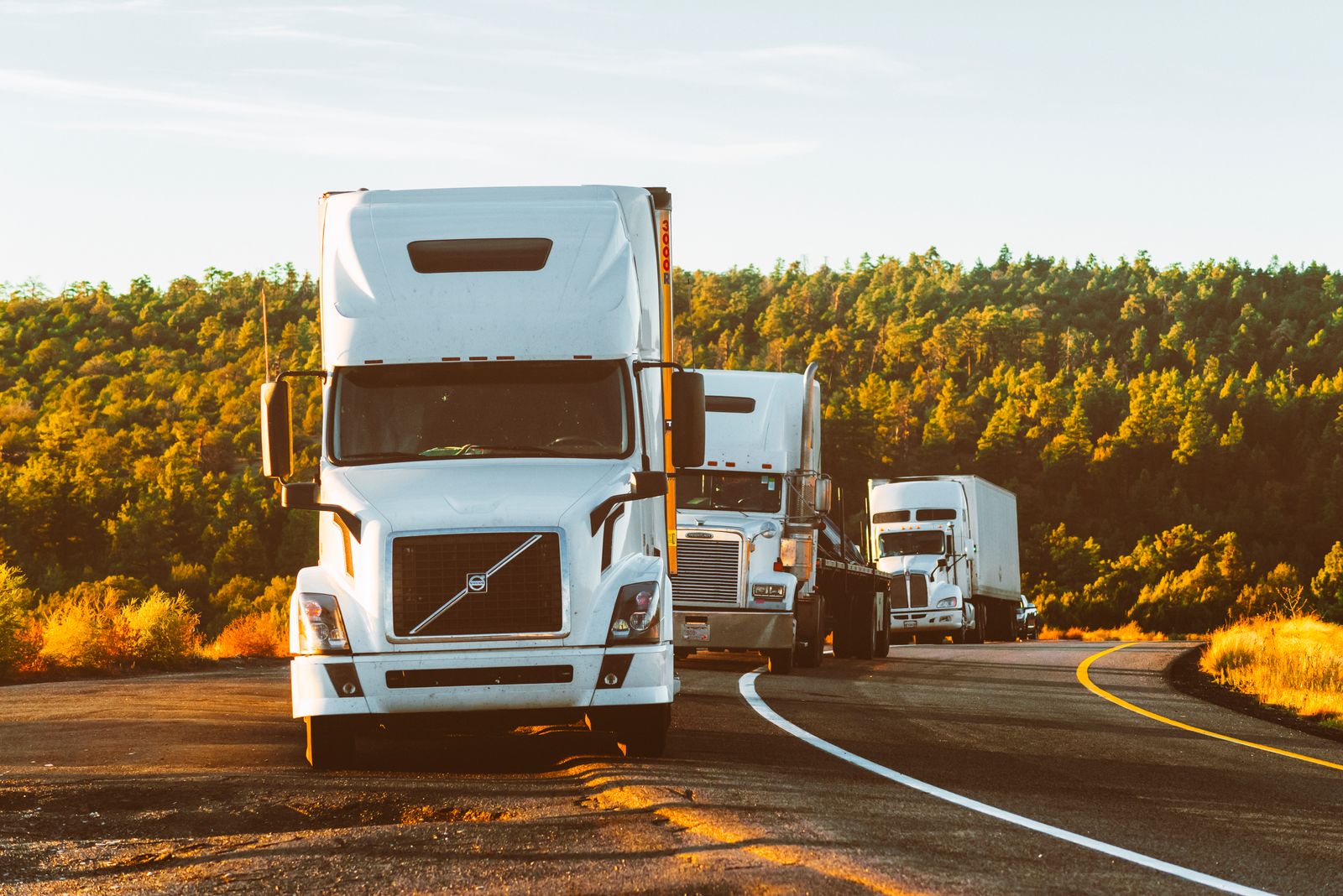
Different weight, different truck
Heavy duty towing in Lewisville, TX is its own trade. A loaded tractor-trailer weighs around twenty times what a sedan weighs, and none of the physics that make a light-duty tow simple still apply. Lifting it needs a wrecker built on a heavy chassis with an underlift rated for the axle weight, and putting one back on its wheels needs a rotator with a boom that can slew under load.
Getting the class right matters before anyone rolls. Send a light-duty truck to a class 8 tractor and you have wasted an hour and put a driver in a bad spot beside a live interstate.
What falls into heavy duty
- Class 7 and 8 trucks. Tractors, loaded semi-trailers, dump trucks, concrete mixers, refuse trucks.
- Buses and motorcoaches. School buses, transit buses, charter coaches.
- Large RVs. Class A motorhomes and the bigger diesel pushers, which carry weight high and need care on the lift.
- Construction equipment. Excavators, skid steers, lifts and telehandlers, usually on a lowboy rather than towed.
- Anything overturned. Weight stops mattering once a vehicle is on its side. Getting it upright is a rigging job first and a tow second.
The band underneath is medium duty: box trucks, ambulances, larger RVs, heavy dually pickups and fleet vans. Those often need more than a standard flatbed without needing a full heavy wrecker. Describing the vehicle honestly on the phone is what sorts it.
Where the heavy calls come from around Lewisville
Interstate 35E is the reason this service exists here. It is the freight spine for the whole north side of the Metroplex, it carries a constant stream of class 8 traffic, and it sits on the state list of most congested roadways. Congestion and heavy trucks are a bad mix: stop-and-go traffic in a loaded tractor is where brakes overheat, air systems fail and rear-end impacts happen.
The 35Express rebuild has made it harder again. Through the work zone between Business 121 and FM 407 the shoulders narrow and disappear, so a truck that loses air pressure has nowhere legal to stop. Recovering one from that corridor means working in a lane, which means TxDOT and Lewisville police involvement and a closure before the wrecker can even set up.
Away from the interstate, the calls come from the distribution and industrial parks either side of Business 121 and along Valley Ridge Boulevard, where trucks maneuver in tight yards and get hung up on dock aprons, and from the state highway system feeding them.
Recovery, not just towing
Plenty of heavy calls are not really tows. They are recoveries, where the work is getting the vehicle back to a state where it can be towed at all.
- Uprighting. A trailer on its side is rolled back onto its wheels with a rotator and rigging, slowly, with the load managed as it comes over.
- Load transfer. If the trailer cannot be moved loaded, the freight comes off onto another trailer first. That needs a forklift or a second crew and it is the part that takes the hours.
- Off-road extraction. Trucks that leave the pavement on FM-407 or the frontage roads sink fast in North Texas clay. Getting them out is a winching job with anchor points and often more than one machine.
- Cleanup. Fuel, coolant and cargo have to be contained before the road reopens. That is part of the job and it is part of the invoice.
Lighter versions of the same problem are covered under winch out and recovery.
What to have ready when you call
A heavy dispatch needs more detail than a car tow, and the details change which equipment leaves the yard.
- Vehicle type and gross weight. Tractor only, tractor and trailer, loaded or empty, and roughly what it scales at.
- What failed. Air system, driveline, tire, fire, or a collision. Air and driveline faults change how it can be lifted.
- Position. Upright on a shoulder, jackknifed across lanes, off the pavement, or over. This is what decides wrecker against rotator.
- The load. What is on the trailer, whether it has shifted, and whether anything on it is hazardous or temperature sensitive.
- Access. Overhead wires, soft ground, bridge rails and how much room there is to set outriggers. A rotator needs ground that will hold it.
How heavy work is priced
Not on the light-duty model. Heavy work is normally billed hourly per unit, from the time the equipment leaves until it returns, with separate lines for the wrecker, any support truck, extra operators, rigging and cleanup materials. A recovery that needs a rotator and a second wrecker is two hourly rates running side by side.
That is why an honest quote before the equipment rolls is a range rather than a number, and why the operator will want the detail above before giving one. Our cost guide explains how the hourly model differs from the hook-and-mileage model used on cars, and where the Texas rules on non-consent tows apply.
Questions about heavy duty towing in Lewisville
What size vehicle needs a heavy duty truck?
Roughly anything over 17,000 pounds gross weight. In practice that means class 7 and 8 trucks, loaded box trucks, motorcoaches, most Class A motorhomes, dump trucks and construction equipment. Medium duty covers the band underneath that, which is where box trucks, ambulances, larger RVs and heavy dually pickups sit.
Can the load stay on the trailer?
Sometimes. A dry van that is still upright and rolling can often be towed loaded. A trailer that has shifted its load, jackknifed or gone over on its side normally has to be offloaded or uprighted first, and that is a rotator job with rigging rather than a straight tow. Refrigerated and hazardous loads have their own rules and the driver will raise them.
Do you need to drop the driveshaft?
On many heavy trucks, yes. Towing a tractor from the front with the drive axles on the road can circulate the transmission without the engine running to pump oil, so the driveline gets pulled or the axles get lifted onto dollies. It adds time on scene and it is why a heavy tow is quoted differently from a car tow.
How long does a heavy recovery on I-35E take?
Longer than most people expect. A straightforward disabled tractor might be hooked and moving inside an hour of arrival. An overturned trailer with a load to transfer and TxDOT lane closures around it can run most of a day. The equipment has to get there, get set up on ground that will hold it, and work without dropping anything into live lanes.
Related help in Lewisville
- Emergency Towing Broken down, blocking a lane, or stopped somewhere you should not be. This is the call that moves first.
- Accident Towing Wreck recovery, cleanup and a tow to the shop, the yard or wherever your insurer sends it.
- Long Distance Towing Out of Lewisville to Houston, Austin, Oklahoma or across state lines, quoted as one flat number.
- Winch Out and Recovery Off the shoulder, into a ditch, buried at a lake ramp or sunk in mud. Winched out, then driven or towed.
Need a truck in Lewisville right now?
Tell us where you are, what you drive and what happened. That is enough to get the right truck moving.
Call 469-309-5877