Towing Services in Lewisville, TX
Light-duty cars through loaded tractor-trailers, plus the recovery work that has to happen before anything can be towed at all.
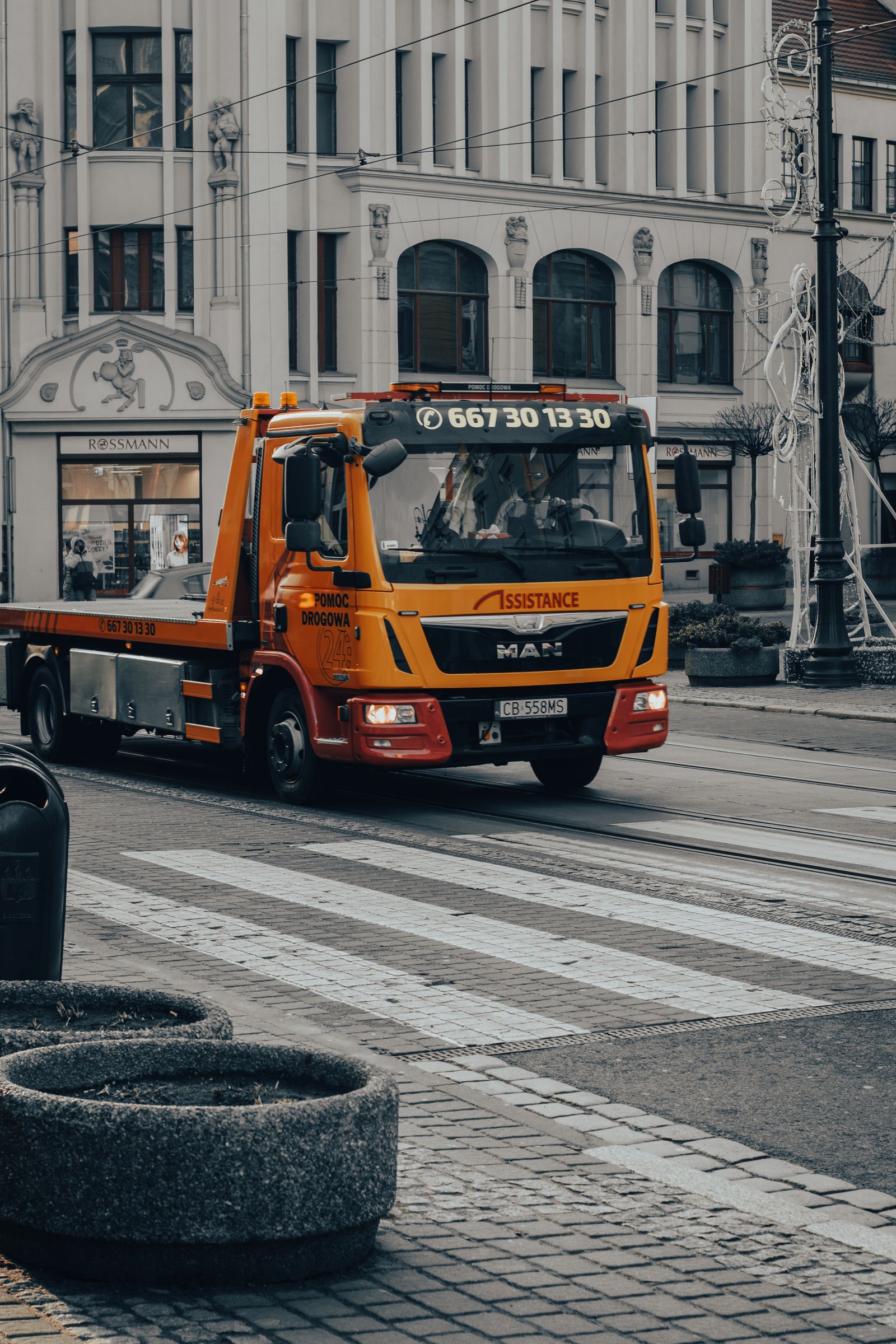
Start with the right truck
Every towing service in Lewisville, TX offers the same list. What almost none of them explain is which one your vehicle actually needs, and that is the decision that matters. A wheel lift is faster and cheaper. A flatbed is the only safe option for a large and growing share of what is on the road now.
Get it wrong and the damage does not show up during the tow. It shows up later, in a transfer case or a center differential, long after the invoice is paid. So this page starts with the equipment question rather than the sales pitch.
Not sure which row is yours? Say the make, model and drive type on the phone and it gets sorted before a truck leaves.
Which truck does your vehicle need?
The question every other towing site in this market skips. Picking wrong is how transmissions, bumpers and EV drivetrains get damaged on the way to the shop.
| What you are dealing with | The truck that handles it | Why it matters |
|---|---|---|
| Front-wheel drive car that will not start | Wheel lift | Lifts the drive wheels clear and rolls on the back two. Quick to hook and the cheapest way to move a dead car. Emergency Towing. |
| All-wheel drive, four-wheel drive or an EV | Flatbed | Turning any wheel on an AWD driveline or an EV motor can damage the transfer case or regen system. All four wheels have to come off the road. Flatbed Towing. |
| Lowered, classic or long-wheelbase car | Flatbed with extended ramps | A standard approach angle scrapes the front lip or the exhaust. Extended ramps flatten the angle out. Flatbed Towing. |
| Motorcycle or scooter | Flatbed with a wheel chock | The front wheel locks into a chock and the bike is strapped at the triple tree so it rides upright and cannot tip. Motorcycle Towing. |
| Wrecked car with seized or missing wheels | Flatbed with a winch, plus cleanup | Nothing rolls after a real impact. It gets dragged onto the deck on a winch line and the glass and fluid get swept up. Accident Towing. |
| Box truck, RV, bus or loaded tractor-trailer | Heavy wrecker or rotator | Weight and axle count put these far past what a light-duty truck can legally lift. The wrong truck bends a frame. Heavy Duty Towing. |
| Vehicle in a ditch, in mud or over a curb | Recovery truck with a winch | It has to come out before it can be towed, and often it drives away afterwards with no tow needed at all. Winch Out and Recovery. |
Every towing service we cover
Seven pages, each covering how that job is actually done in this city.
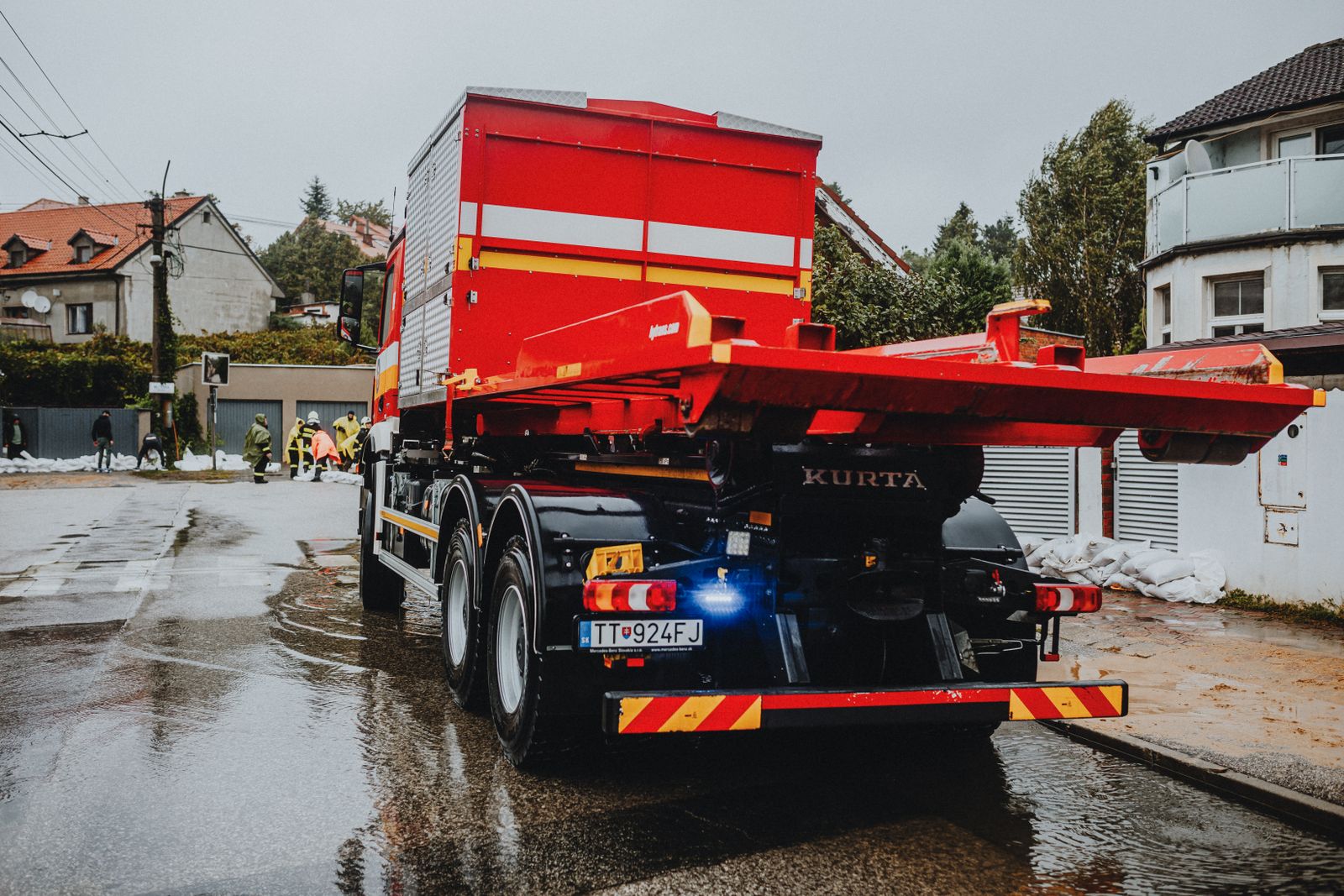 Emergency Towing
 Broken down, blocking a lane, or stopped somewhere you should not be. This is the call that moves first.
See the page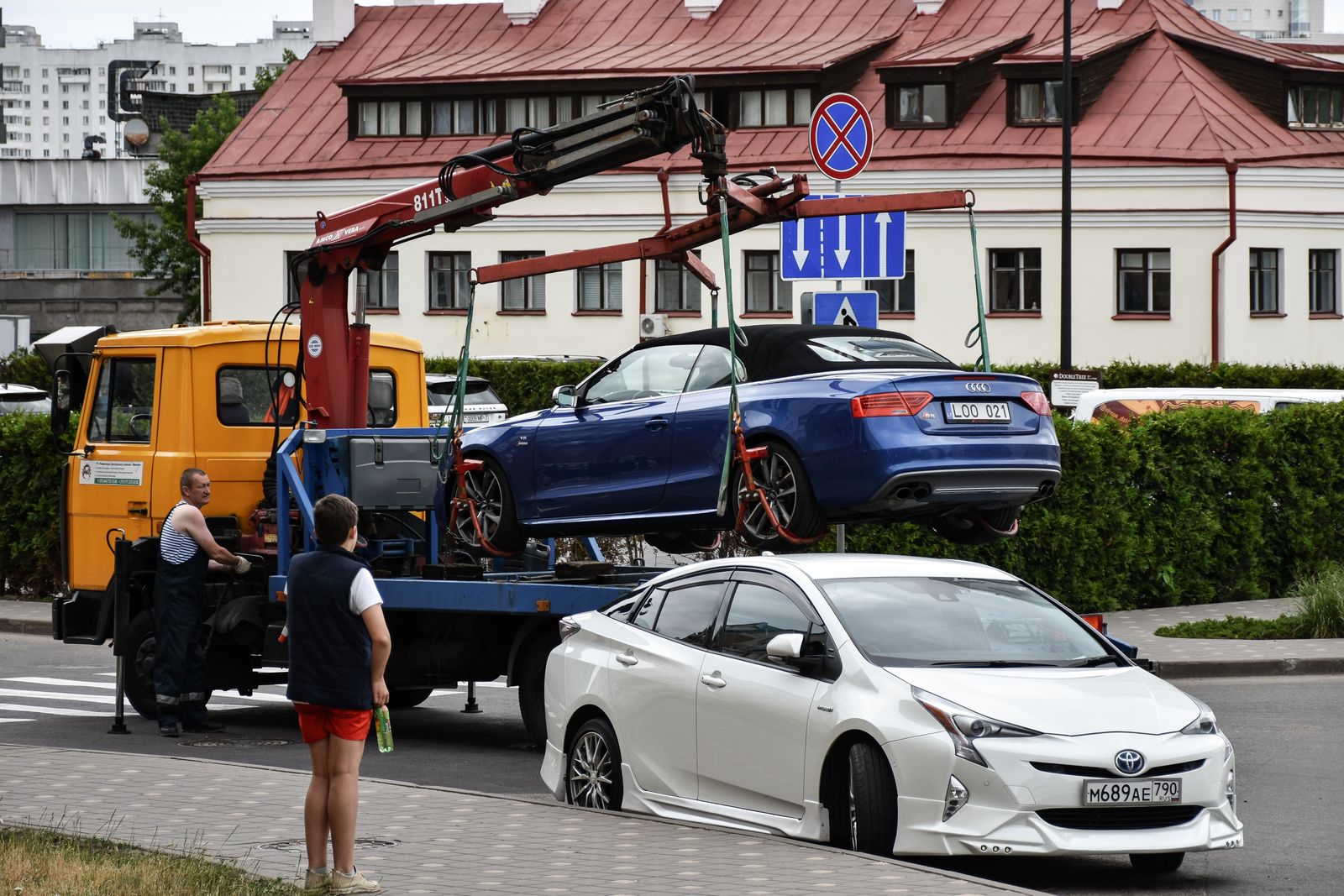 Flatbed Towing
 All four wheels off the ground. The right call for all-wheel drive, low clearance, EVs and anything that cannot roll.
See the page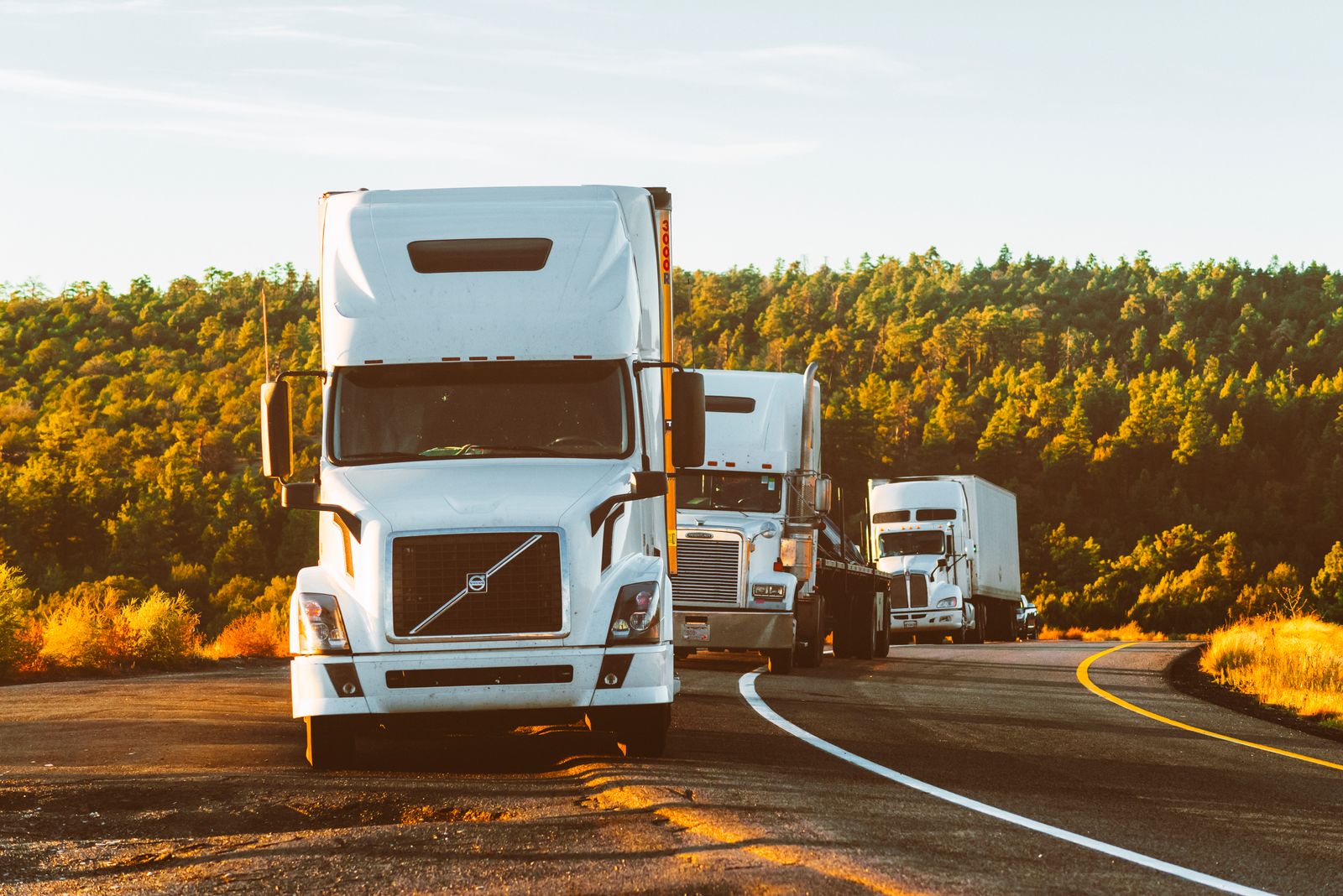 Heavy Duty Towing
 Box trucks, RVs, buses and loaded tractor-trailers need a rotator or a heavy wrecker, not a pickup with a hitch.
See the page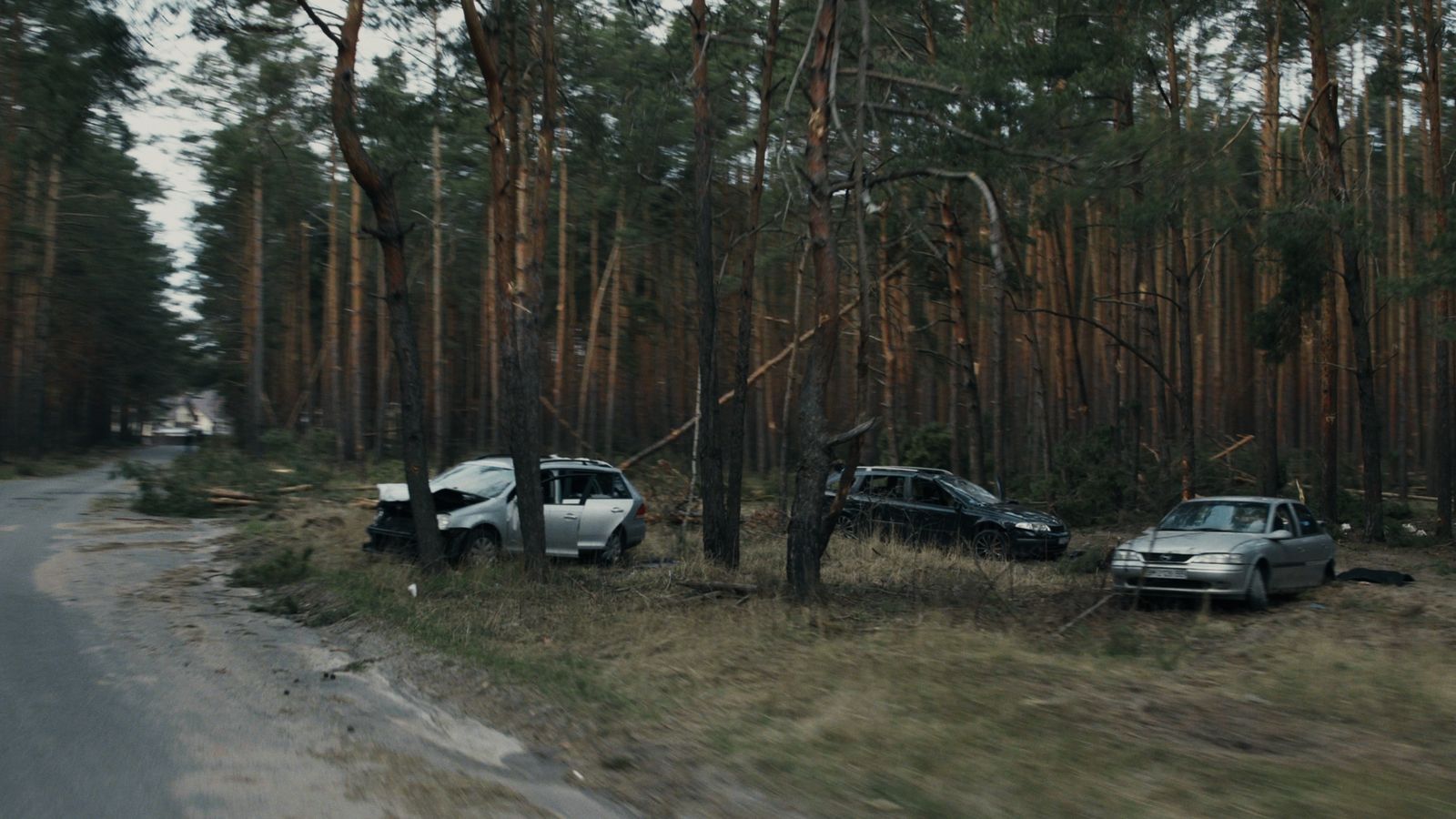 Accident Towing
 Wreck recovery, cleanup and a tow to the shop, the yard or wherever your insurer sends it.
See the page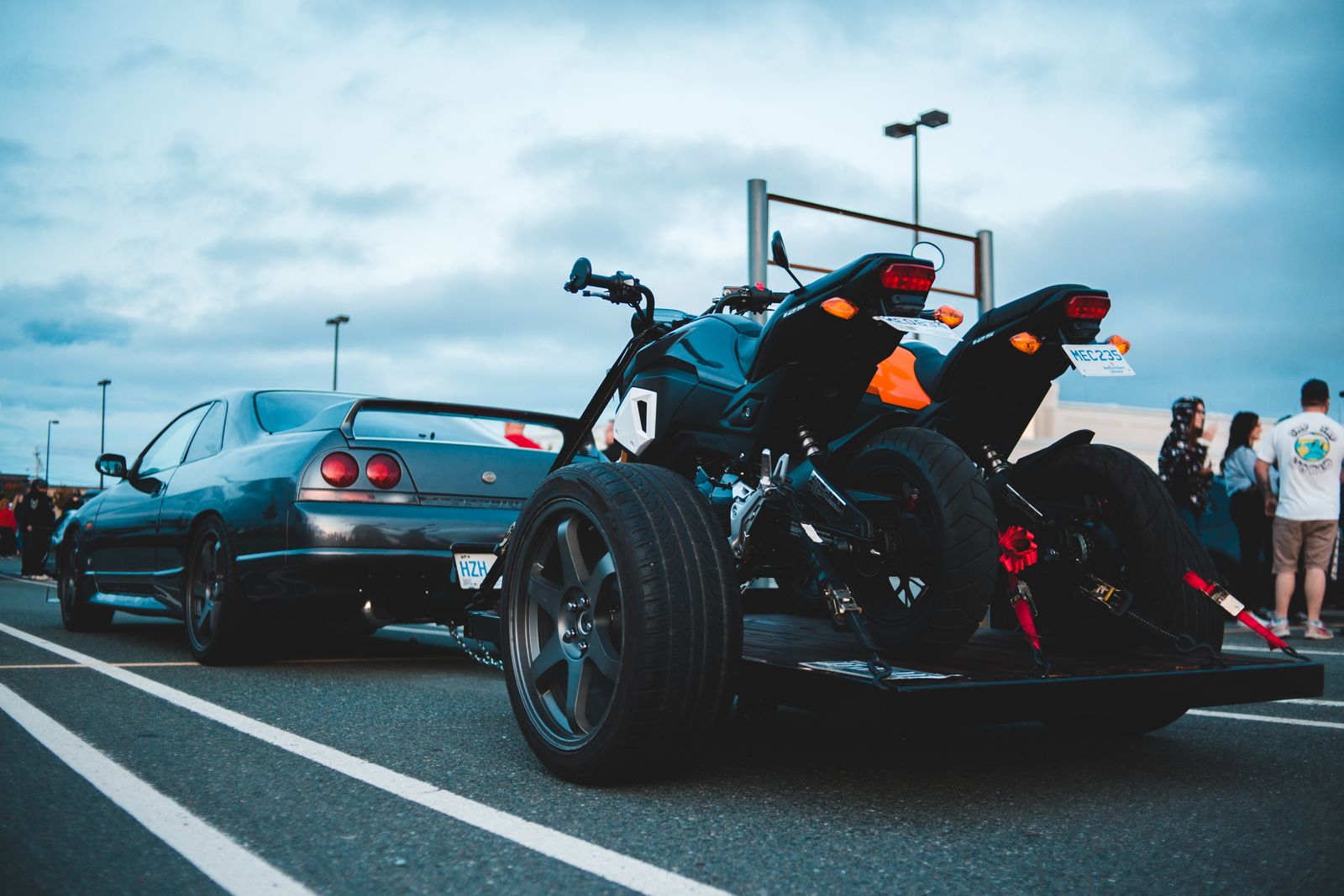 Motorcycle Towing
 Chocked, strapped at the triple tree and hauled upright. No frame straps, no dropped bike.
See the page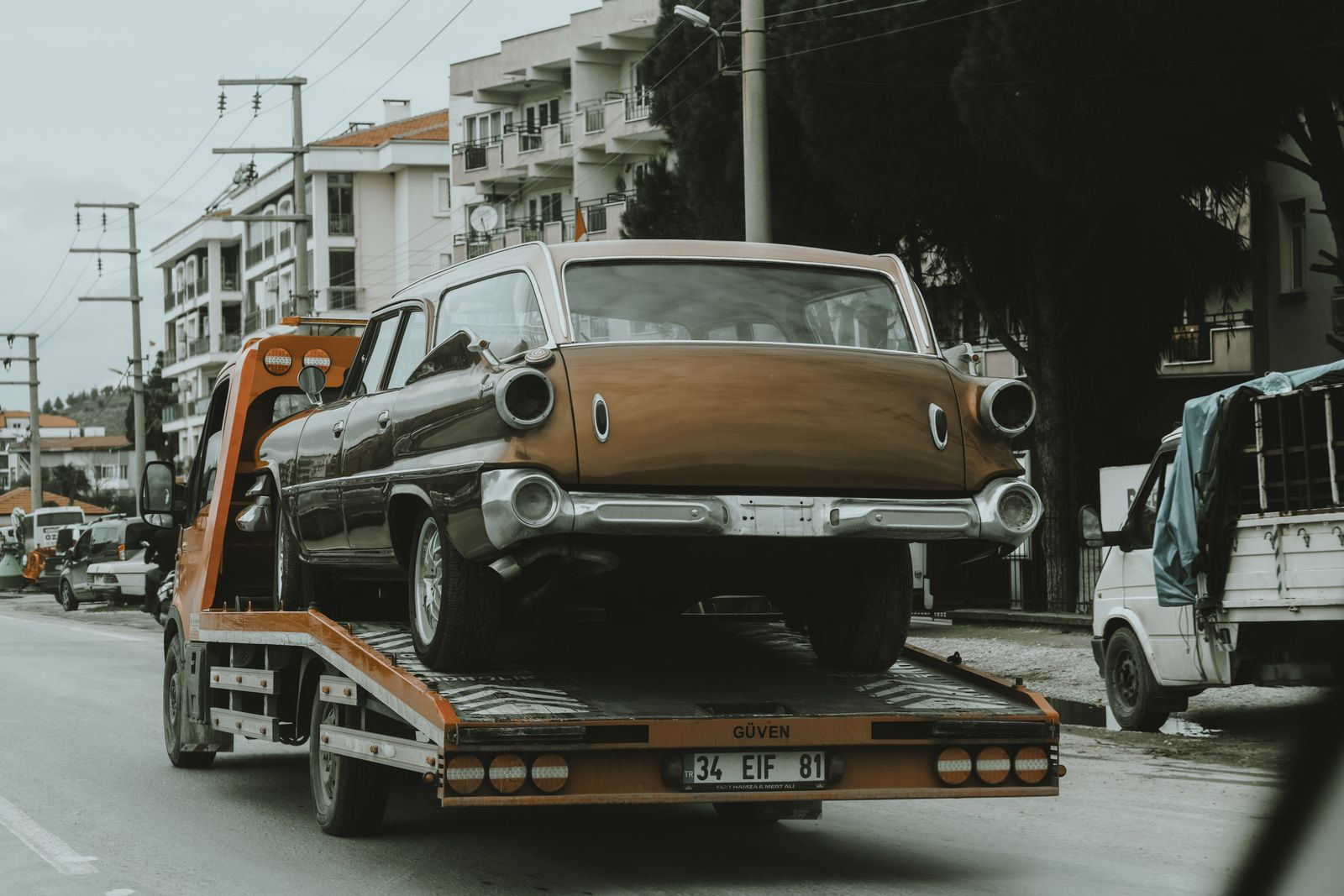 Long Distance Towing
 Out of Lewisville to Houston, Austin, Oklahoma or across state lines, quoted as one flat number.
See the page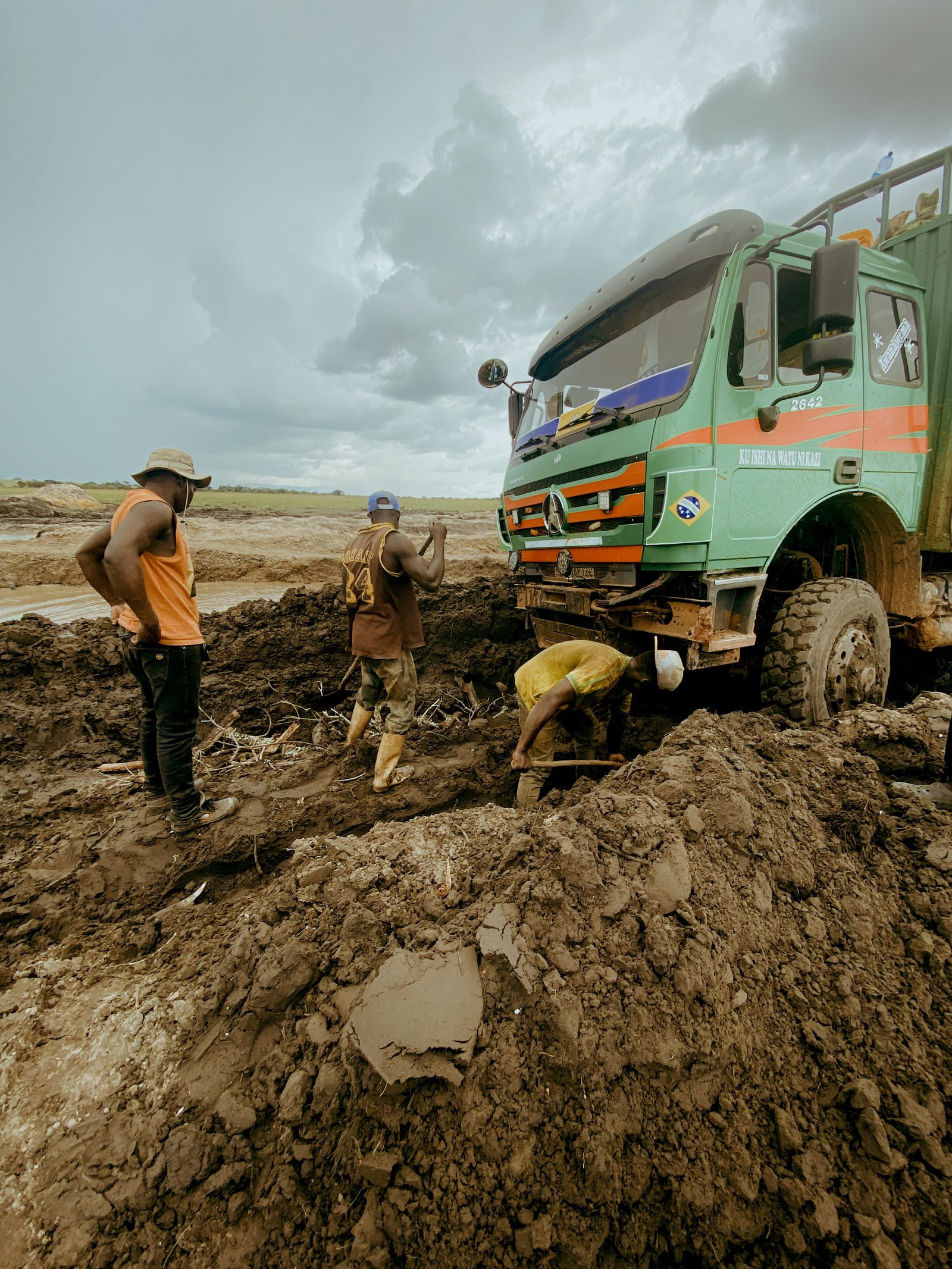 Winch Out and Recovery
 Off the shoulder, into a ditch, buried at a lake ramp or sunk in mud. Winched out, then driven or towed.
See the pageTowing in Lewisville is a corridor problem
Where you break down here decides most of what happens next. Interstate 35E carries the whole north side of the Metroplex, sits on the state list of most congested roadways, and is being rebuilt underneath live traffic. Through the 35Express work zone between Business 121 and FM 407, nightly lane closures take away the shoulder you would normally limp to, which is why a breakdown there at eleven at night is a harder job than the same breakdown at noon.
The Sam Rayburn Tollway through Vista Ridge produces fewer calls but harder ones, because seventy mile per hour failures destroy tires and wheels rather than just deflating them. Main Street through Old Town produces the opposite: low-speed knocks at signals and cars that die at a green and block the lane behind them.
Out at Lewisville Lake the surface changes and so does the job. Boat ramps, gravel park roads and clay that stays greasy for days after rain mean vehicles leave the pavement rather than break down on it, and the work becomes winch out and recovery before a tow is even possible.
The full breakdown of all five corridors, including where it is safe to wait on each one, is on the home page corridor guide.
Wheel lift or flatbed, and what it costs you
These are the two trucks that handle almost every car tow, and the difference is worth understanding before you are quoted for one.
A wheel lift slides a yoke under two wheels and lifts them clear. The other two roll along the road. It hooks in two or three minutes, the truck is cheaper to run, and for a front-wheel drive car that still rolls freely it does the job perfectly well. This is the cheapest way to move a dead car across town.
A flatbed tilts its whole deck to the ground and winches the vehicle up, so nothing turns at all. It takes ten to fifteen minutes to load and the truck costs more to operate, which usually shows as a modest premium on the invoice.
That premium is the wrong thing to shop on. If your car is all-wheel drive, four-wheel drive or electric, a wheel lift means a coupled driveline slipping for every mile of the journey, or drive motors generating current into a system that is not asking for it. The repair bill for a cooked transfer case is many times the difference between the two trucks. On those vehicles the deck is not an upgrade, it is the only correct answer, and the manufacturer says so in the towing section of the owner manual.
Where it genuinely is a choice, on an ordinary front-wheel drive car that rolls and steers, ask for the wheel lift and keep the difference. Our cost guide breaks down every line that can appear on a towing invoice.
Five answers get the right truck out first time
Nearly all the wasted time in this trade comes from a truck arriving that cannot do the job. Five pieces of information prevent it, and none of them need you to know anything about towing.
- Where the vehicle is. Road plus nearest exit or cross street. On I-35E, the direction you were traveling, because a truck cannot cross the construction barrier.
- What it is. Make, model, and whether it is all-wheel drive or electric.
- What happened. Will not start, wreck, flat, off the road, out of fuel.
- Whether it rolls and steers. The single answer that decides hook against winch.
- Where it is going. A shop, a dealer, your driveway. Deciding early keeps it out of a storage yard where daily fees start.
Add anything unusual about access while you are at it: a gate code in Castle Hills, a parking structure with low clearance at Vista Ridge, a long private drive, or soft ground. All of it is easy to plan around when it is known in advance and all of it costs twenty minutes when it is discovered on arrival.
Not everything needs a tow
A boost, an unlock, a spare fitted or a few gallons of fuel puts most drivers back on the road without the car ever leaving on a truck.
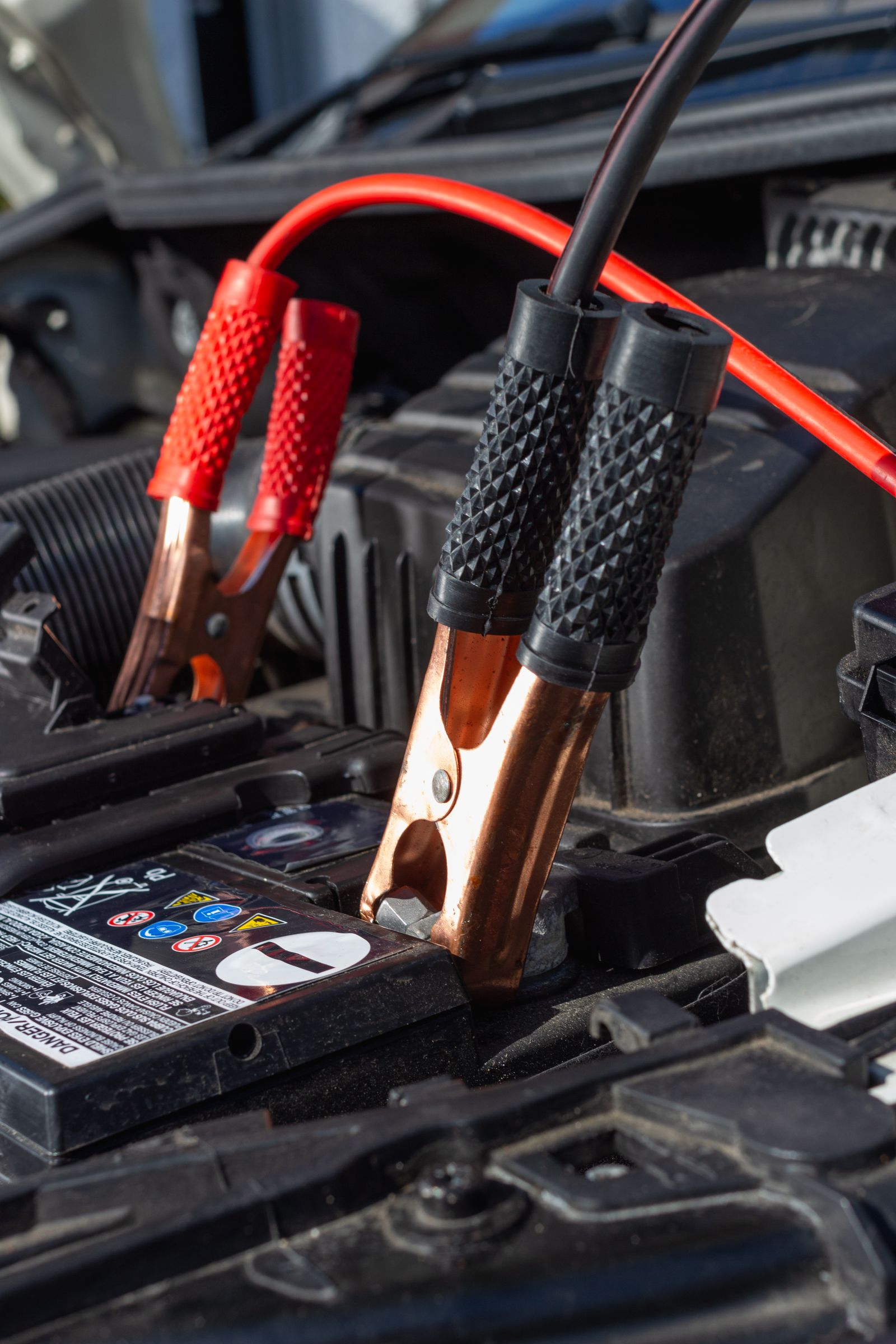 Battery Jump Start
 A boost at the curb, plus an honest read on whether the battery will get you home or strand you again.
See the page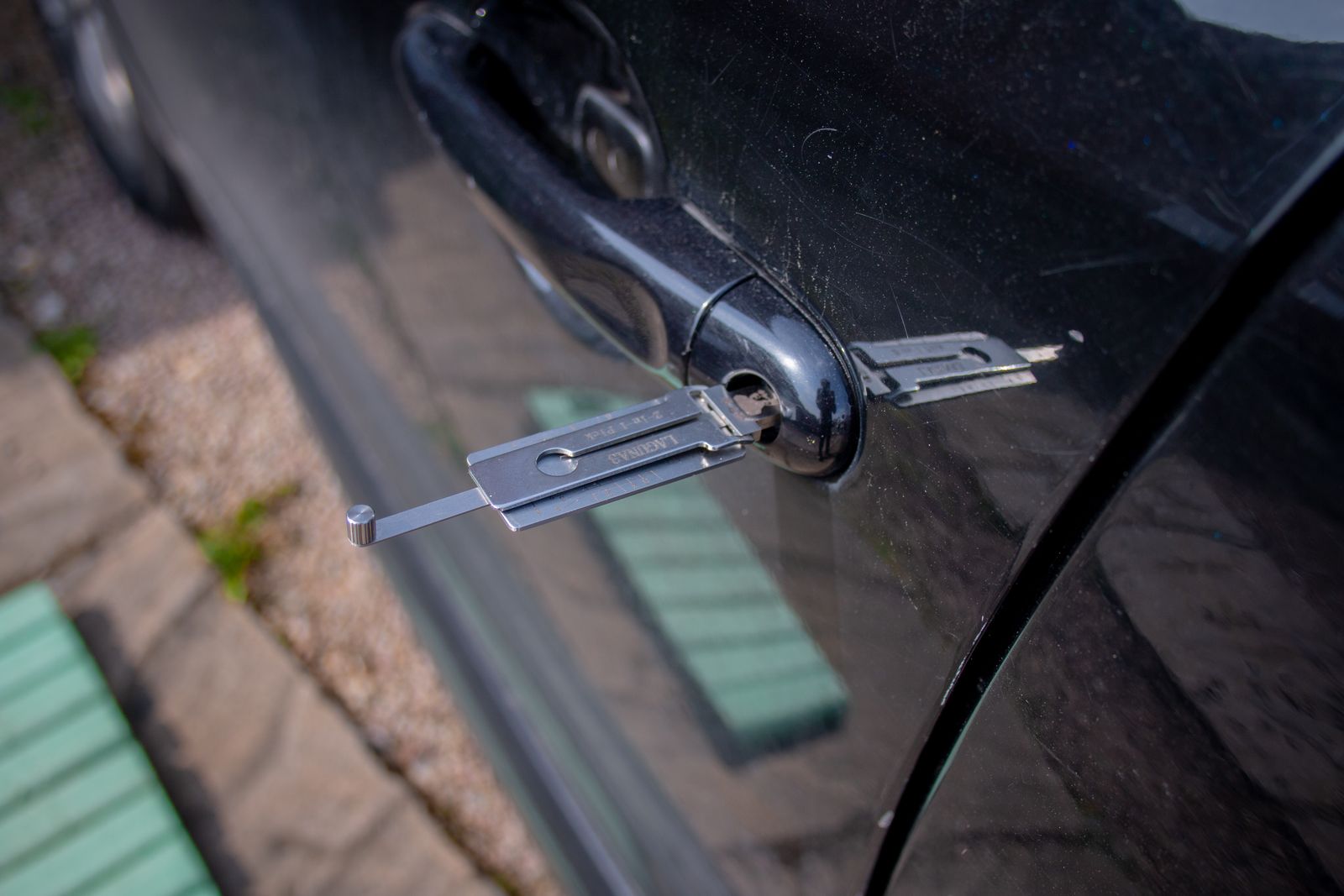 Car Lockout
 Keys on the seat and the doors shut. Opened with wedge and reach tools, no broken glass.
See the page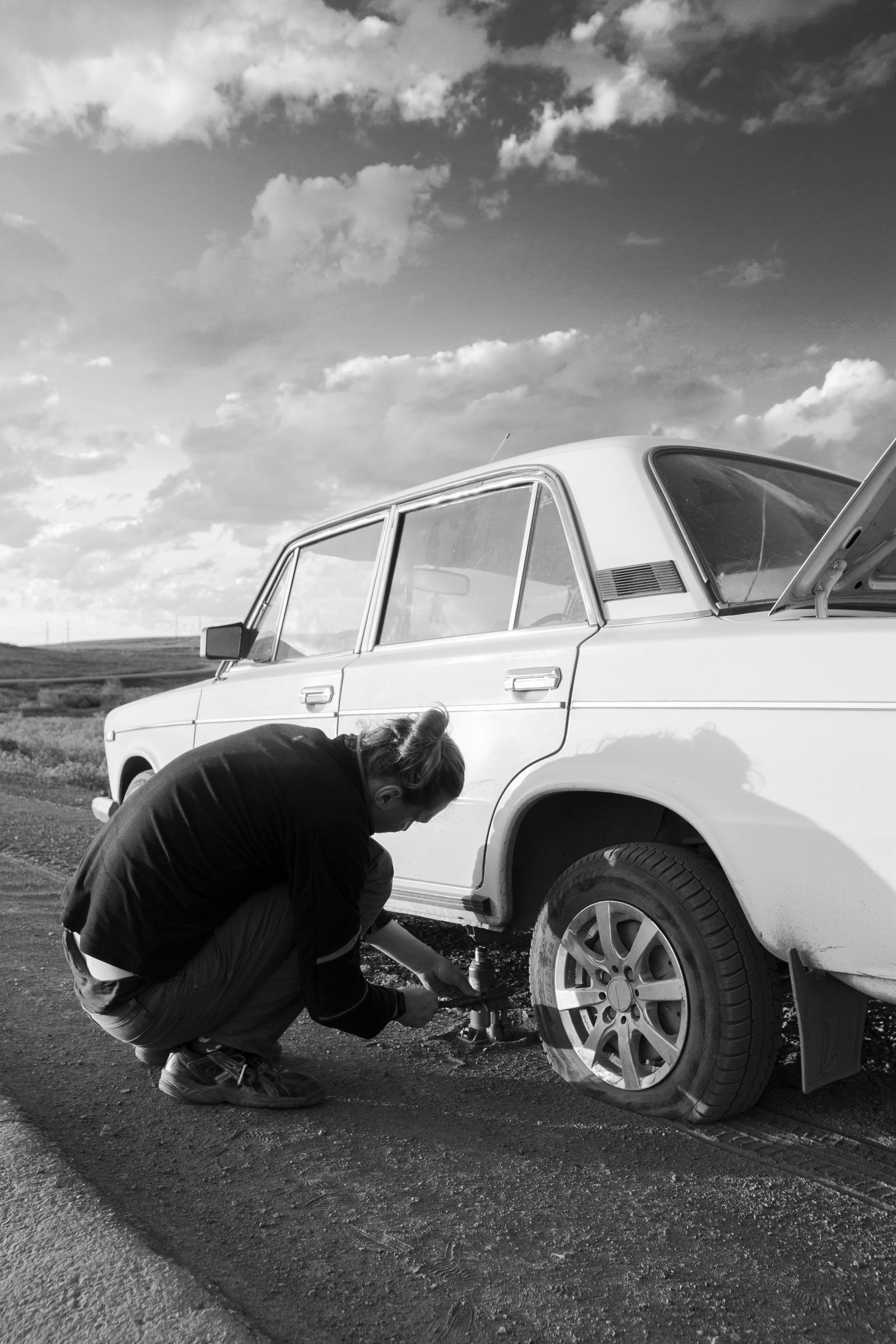 Flat Tire Change
 Your spare fitted and torqued at the roadside. No spare means a tow to a tire shop instead.
See the page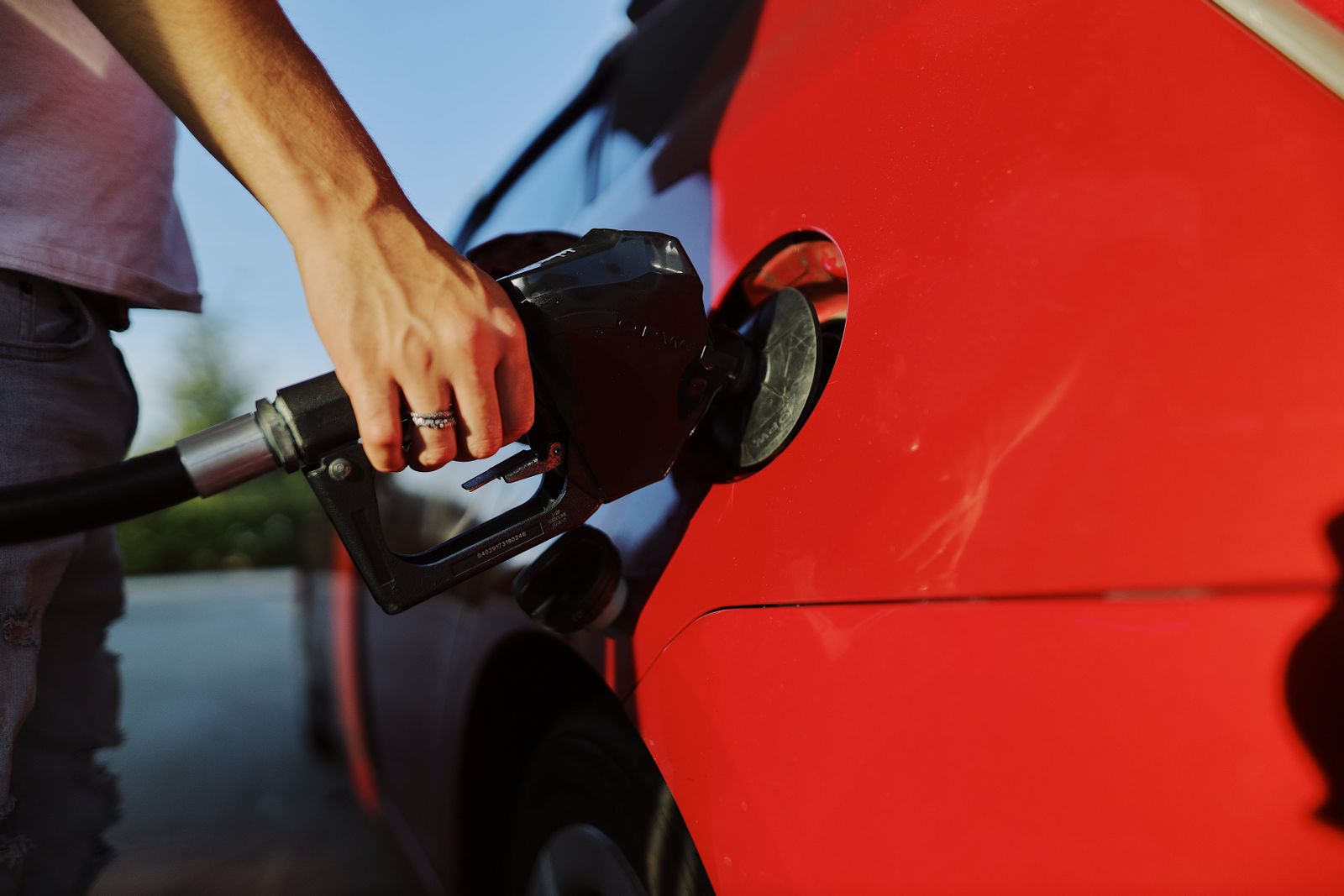 Fuel Delivery
 Enough gas or diesel brought to you to reach a station. Also the fix for a misjudged run down I-35E.
See the pageTell us what you drive and where you are
Make, drive type, whether it rolls, and the nearest exit or cross street. That is enough to send the right truck the first time.
Call 469-309-5877