How Much Does a Tow Cost in Lewisville, TX?
Every line that can appear on a towing invoice, which of them Texas caps by law, and the three questions that stop you being surprised.
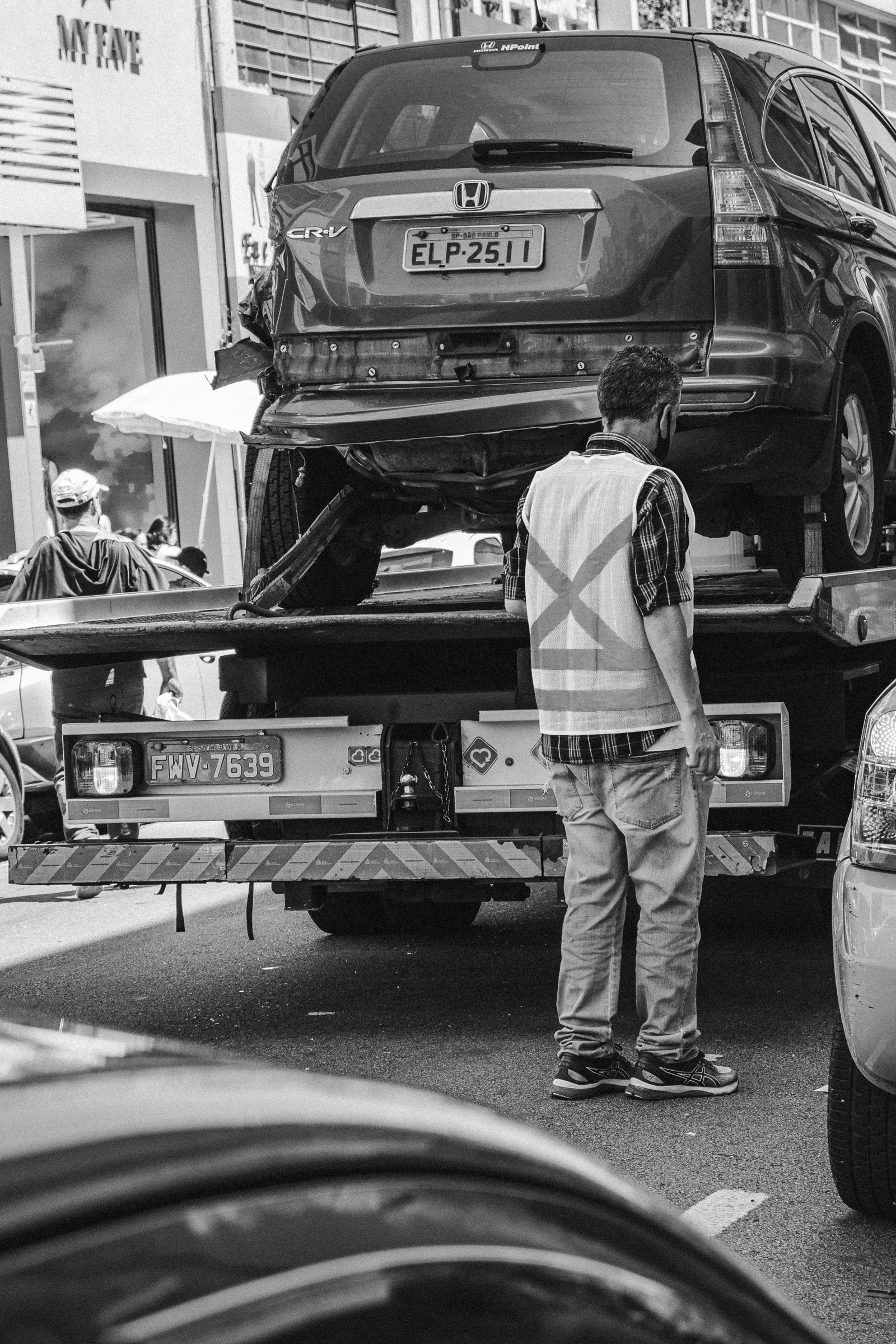
Two different pricing worlds
What a tow costs in Lewisville, TX depends first on a question most people never think to ask: did you call for the truck, or did somebody else?
If you called, the price is whatever you and the operator agree before the vehicle is loaded. It is a market rate, it varies, and you can shop it.
If your car was removed without you asking, from a private lot or at the direction of an officer, that is a non-consent tow. Those fees are capped statewide by law and the operator has no discretion to exceed them.
The lines on a normal tow invoice
A tow you arranged yourself is built from a small number of components. Understanding them is most of the battle.
- The hook-up fee. A flat charge for turning up and getting the vehicle onto the truck. It covers the trip out and the work of loading, and it is charged whether the journey is two miles or twenty.
- The per-mile rate. Charged on loaded miles from pickup to destination. This is why knowing where the car is going before you call saves money.
- Equipment surcharge. A flatbed generally costs a little more than a wheel lift. A heavy wrecker is a different scale of charge entirely.
- Winching and recovery. Separate work, separately charged. Pulling a car out of a ditch on FM-407 is not part of a tow, it is what has to happen before one.
- After-hours rates. Normal in this trade. Overnight and holiday work costs more, and it should be stated up front rather than appearing later.
- Cleanup. After a collision, sweeping glass and containing fluids is real work and it appears on the invoice.
- Storage. Charged per day once a vehicle sits at a storage facility. This is the one that turns a manageable bill into a painful one, purely through delay.
Heavy work does not use this model at all. Trucks, buses and RVs are billed hourly per unit from the time equipment leaves the yard until it returns, with separate lines for each wrecker and each operator. The heavy duty towing page covers why.
What Texas actually caps
This is where a lot of bad information circulates, so here is the accurate version.
Towing in Texas is regulated by the Texas Department of Licensing and Regulation under Occupations Code Chapter 2308, Vehicle Towing and Booting, implemented through Chapter 86 of the Texas Administrative Code. Those rules set maximum fees for non-consent tows: the ones where a vehicle is removed from private property at the property owner's request, or at the direction of law enforcement after an incident.
For those tows, an operator may not charge more than the statewide approved fee, and may not add related charges unless the rules authorize them. The caps are periodically adjusted, which is exactly why no towing website should be quoting you a dollar figure for them. Check the current numbers directly at the source:
A tow you arranged yourself is not covered by those caps. That is an ordinary commercial transaction, which is why agreeing the number in advance matters so much more.
If your car was towed from a private lot
This happens in Lewisville most often around Old Town, where private lots serve individual businesses and cars left outside opening hours get removed. The process is defined, and it gives you rights worth knowing.
- Signage rules are specific. Chapter 2308 sets requirements for the size, wording, color and placement of tow-away signs before a vehicle can legally be removed. If the signage was not compliant, that matters.
- The fees are capped. The tow itself, the impound and the daily storage all sit under the state schedule.
- Storage accrues daily. Collecting the car quickly is the single biggest thing you control.
- You can challenge it. Texas provides a tow hearing process through a justice court in the county where the vehicle was towed. The deadline is short, so act quickly if you believe the tow was improper.
What actually changes your bill
Four things, and three of them are within your control.
- Distance. The largest variable on most invoices. A tow across Lewisville is a different bill from a tow to a dealer in another county.
- Deciding the destination early. Drivers who say they will work it out later end up with the car in a storage yard accruing daily fees. Your own driveway is free.
- Whether recovery is needed. A car on the pavement is a tow. A car in a ditch off FM-407 or sunk at a lake ramp is a recovery and then a tow.
- Describing the vehicle accurately. Sending a wheel lift to a car that needed a flatbed means a second truck, a second trip, and paying for both.
Getting a quote you can rely on
Ask for the hook fee, the rate per mile and the mileage. Then ask what would change it. Good answers are specific: the car turning out not to roll, an address a long truck cannot reach, or a destination different from the one you gave. A vague answer is the warning sign.
Get the destination written on the invoice, keep it itemized, and take photographs of the vehicle before it loads. That last one takes two minutes and settles any later argument about a mark.
On a long distance tow the whole model changes to a single flat number covering loaded miles, the empty return leg, fuel and driver hours. Ask for it that way, because a per-mile meter on a four hundred mile run hides the return trip somebody is paying for.
Questions about towing costs in Lewisville
What are the three questions to ask before the truck rolls?
What is the hook-up fee, what is the rate per mile, and how many miles is it to the destination. Those three numbers are the whole invoice on a straightforward tow. Any operator worth calling will answer all three on the phone without hedging.
Is a non-consent tow priced the same way?
No. When a vehicle is towed without the owner asking, from private property or at the direction of police, the fees are capped statewide by the Texas Department of Licensing and Regulation under Occupations Code Chapter 2308. The operator cannot charge above those caps and cannot add fees that are not authorized. Those caps are adjusted over time, so check the current figures on the TDLR site rather than trusting a number on any towing website.
Why is a flatbed more expensive than a wheel lift?
The truck costs more to buy and run, and loading takes ten to fifteen minutes rather than two or three. The gap is usually modest. Next to the cost of a damaged transfer case on an all-wheel drive car, it is not really a saving worth chasing.
Does my insurance cover the tow?
Often, through a roadside assistance add-on or the collision portion of the policy, though limits and mileage caps vary a lot between carriers. Keep the itemized invoice with the destination written on it, because that is what a claim is settled against. If another driver was at fault, their carrier usually pays, but you may pay first and be reimbursed.
What makes a tow cost more than the quote?
Genuine extra work, and it should be explained before it happens. Winching a vehicle back onto the pavement, skates under seized wheels, a second truck, cleanup after a collision, or a destination further away than the one first given. A quote changing because the job turned out to be different is normal. A quote changing because the number was optimistic is not.
Want the number before anything moves?
Tell us where the car is, what it is and where it is going. That is everything needed to quote it properly.
Call 469-309-5877